I just launched my business. Now what about SEO?
A breakdown of what actually matters after launching a business.
Tips&Tricks
You’ve spent hours tweaking your website, choosing the right images, and writing about your services, so naturally you expect things to start moving once it’s live. But when you check your dashboard, the traffic stays flat, and it feels like all that effort isn’t translating into anything real while others in your space somehow keep showing up everywhere.
This isn’t rare, it’s how most businesses experience the early stage.
Around 68% of online experiences start with a search engine, which means people are already looking, just not finding you yet. That gap usually isn’t about effort or budget, it’s about visibility.
SEO, at its core, is simply making sure that when someone searches for what you offer, your business appears in a way that’s clear, relevant, and easy to trust.
Focus on what actually brings results
Most people think more traffic means better results, but that only works if the traffic actually leads somewhere. What matters more is attracting the right people, the ones already looking for what you offer, not just anyone landing on your site.
That’s where broad terms fall short; they’re highly competitive and too vague to bring meaningful attention.
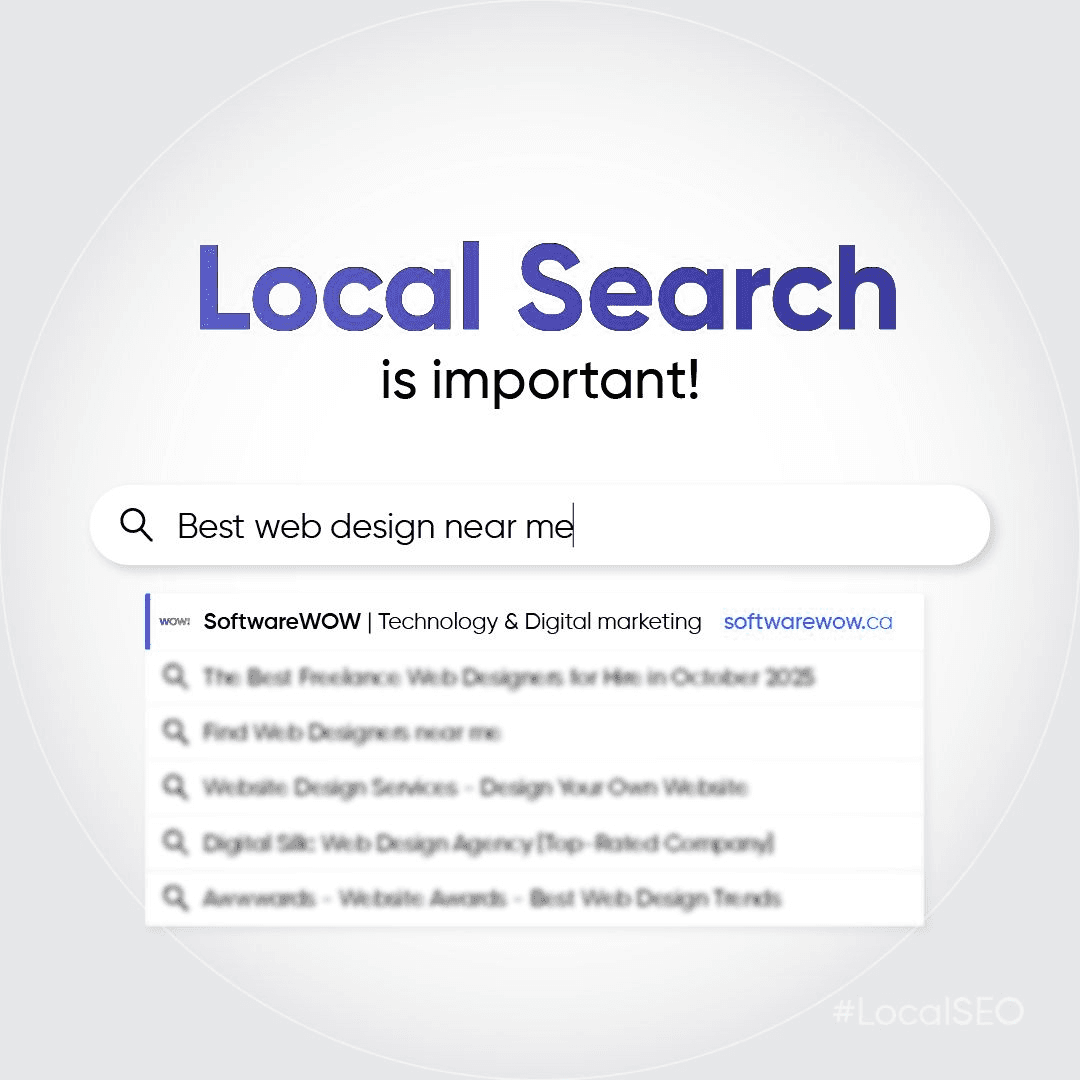
A more effective approach is to focus on specific, long-tail searches that reflect how people actually look for solutions. Instead of going after something like “plumber,” a phrase like “emergency drain unblocking in [your town]” may bring fewer visitors, but those visitors are far more likely to take action. The difference comes from intent, not volume, and from using the same language your audience uses when they search.
Give your website a "health check"
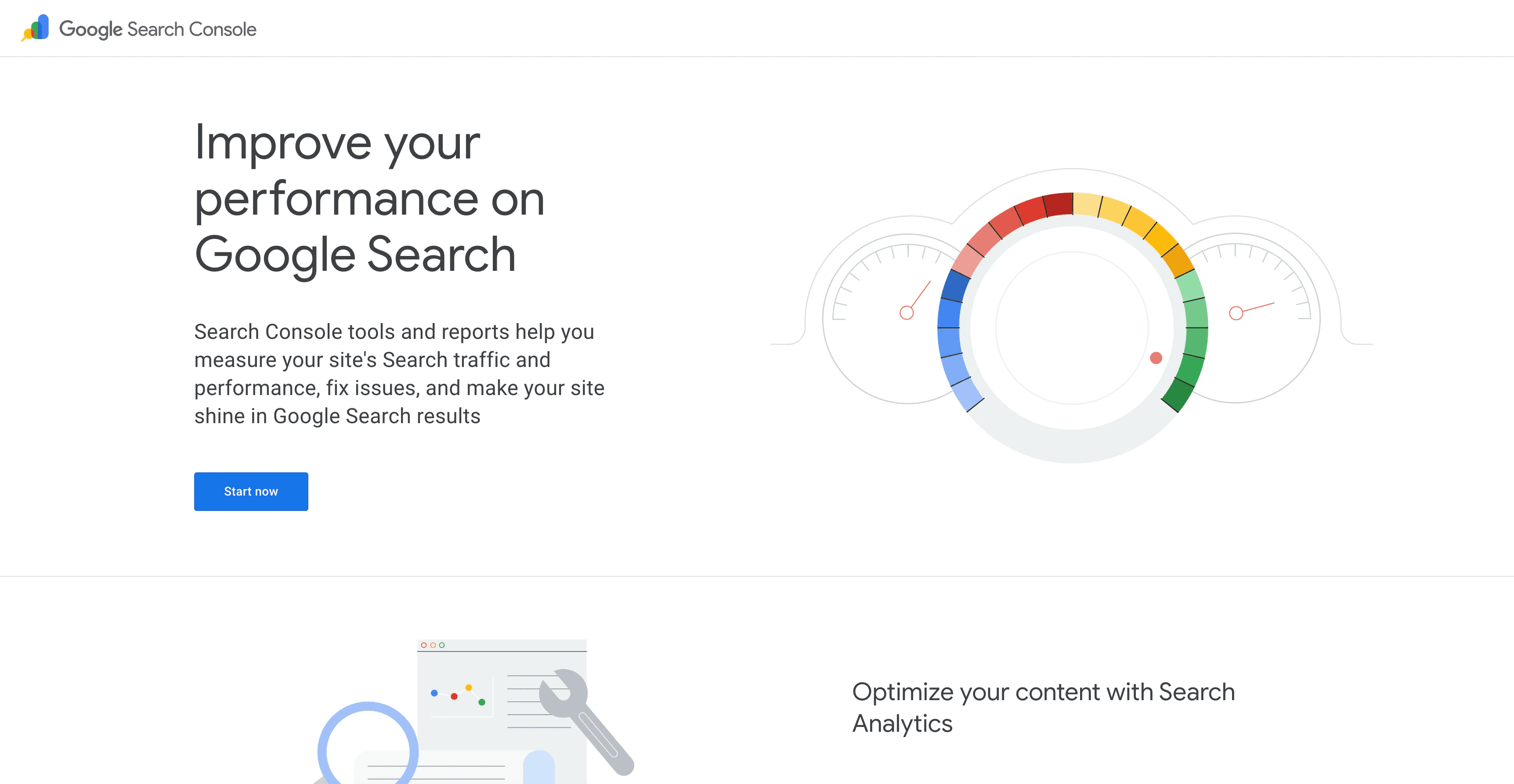
Before adding more content or trying new strategies, it’s worth checking if your website is actually working the way it should. Tools like Google Search Console and Google Analytics give you a clear view of how your site appears in search, what people are finding you for, and how they behave once they land.
But setting them up isn’t enough on its own. You need to make sure your website is properly connected to search engines. Think of it as a digital handshake. Submitting your sitemap gives Google a clear map of your site, while checking that your pages are indexed confirms they’ve actually been stored and can appear in search.
At the same time, nothing important should be blocked from being crawled. If search engines can’t access or understand your pages, they won’t show them, no matter how good your content is.
Without that, you’re relying on assumptions instead of real data.
Performance plays a big role here too. If your site is slow, most people leave before they even see what you offer, and in many cases the fix is simple, like compressing images or removing anything that’s dragging the page down. The same goes for mobile. A large part of your traffic comes from phones, so your site needs to adapt smoothly to different screens and stay easy to use at that moment.
Quality over quantity
You don’t need to constantly publish new content to make progress, and trying to push out too much often leads to content that doesn’t really help anyone. What matters is whether what you create actually answers something useful.
A strong starting point is the questions people ask before they decide to work with you, because those already carry real intent.
When you build content around those questions and structure it clearly with headings and internal links, it becomes easier to navigate and more valuable overall. Instead of isolated pages, everything starts to connect, helping both users and search engines understand your site better.
That’s when content stops just sitting there and starts doing its job, getting found, understood, and acted on.
Build Trust in a Way That Lasts
There are always shortcuts being pushed, especially around backlinks and quick rankings, but they rarely hold up. Trying to buy your way up with a large number of low-quality links often does more harm than good, while a single strong link from a trusted source carries far more value.
What actually makes a difference is consistency and credibility over time. If you serve a local area, your Google Business Profile plays a major role.
Keeping your details updated, adding real photos, and collecting genuine reviews builds trust in a way shortcuts can’t.
Those reviews act as real signals of confidence, and over time, they make your business easier to find and easier to choose.
Where this leads
SEO doesn’t need to feel overwhelming or overly technical to work.
Once the basics are clear, who you’re targeting, how your site is structured, and what your content is actually helping with, things start to move in a more predictable way. It’s not something you do once and forget, it’s something you build over time through small, consistent steps.
You don’t need to do everything at once.
Start with the essentials, set up your tracking, focus on a few specific phrases your customers actually use, and create content that genuinely helps. When that foundation is in place, your website becomes easier to find, easier to trust, and starts working the way it was meant to from the beginning.